
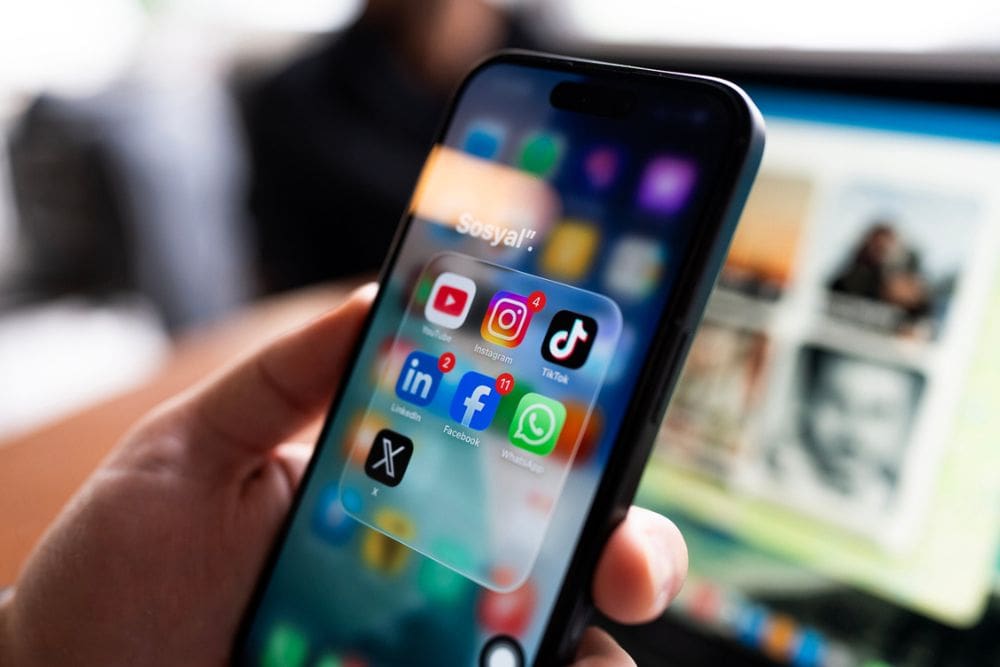
You’re scrolling through Instagram when a friend from college posts vacation photos, a former classmate announces a promotion, or someone shares what looks like a perfect life. Suddenly, your own accomplishments feel less impressive, and you start questioning whether you’re doing enough.
Sound familiar?
Social media makes it easy to compare your everyday struggles with other people’s highlight reels. Over time, these comparisons can affect your self-esteem, increase anxiety, and contribute to feelings of depression.
The good news is that by recognizing how comparison affects your mental health and learning to challenge those negative thoughts, you can build a healthier self-image and a more compassionate relationship with yourself.
Why Do We Compare Ourselves to Others?
Comparing ourselves to other people is a natural part of being human. We often look to others for cues about how we’re doing, where we fit in, and what we might want to achieve.
For example, seeing a favorite coworker succeed at work might motivate you to pursue a promotion of your own. Or, watching a childhood friend cut out junk food could inspire you to be more mindful of your own dietary choices. In these situations, comparison offers positive encouragement.
Problems arise when comparison becomes a source of self-criticism. Instead of using someone else’s achievements as inspiration, we begin treating them as evidence that we’re falling behind.
Research from the Journal of Medical Internet Research shows that social media can intensify this tendency. Unlike everyday interactions, online platforms expose us to a seemingly endless stream of other people’s milestones, vacations, relationships, appearances, and accomplishments. And when we measure our private struggles with the flattering moments other people choose to share, that isn’t a fair comparison.
How Social Media Can Affect Your Self-Image
Social media can help us stay connected, discover new interests, and find supportive communities. However, the comparison trap can affect your self-image if you’re not actively reminding yourself that what you see online isn’t the full picture of how others are spending their days.
1. Social Media Creates Unrealistic Expectations
Social media posts show carefully selected moments. Spending enough time on your favorite site and you might start believing that everyone else has flawless skin, exciting weekends, fulfilling relationships, and impressive careers. Meanwhile, your ordinary experiences begin to feel disappointing by comparison.
Remember, what you see online is a snapshot, not a complete picture. Someone else’s carefully selected moments don’t define what your life should look like.
2. Social Media Makes You Question Your Accomplishments
You’ve worked hard to build a stable career. You’ve paid off your credit cards and started an emergency fund. You’re focused on developing healthier habits and now hit the gym every night after dinner.
These accomplishments may feel meaningful until you see someone your age buying a house, starting a business, or reaching a major professional milestone. Suddenly, your own progress seems insignificant.
Everyone’s journey looks different. Some people reach important milestones early, while others take a different path. Neither timeline determines your worth.
3. Social Media Can Increase Anxiety and Depressive Feelings
Constant comparison can create a cycle of negative thinking. You see someone else’s success, interpret it as evidence that you’re not doing enough, and experience feelings of inadequacy. Those feelings may then make it harder to recognize your strengths or enjoy the things going well in your own life. Over time, this pattern can contribute to increased stress, lower self-esteem, and feelings of sadness or isolation.
If you’re already experiencing anxiety or depression, comparison may reinforce negative beliefs you hold about yourself. You might focus on perceived failures while overlooking evidence that you’re capable, valuable, and deserving of support.
Social media isn’t the sole cause of these mental health challenges, and its effects vary from person to person. However, noticing how certain online experiences affect your mood can help you make choices that better support your well-being.
4. Social Media Can Leave You Feeling Disconnected
Ironically, spending hours looking at other people’s lives can sometimes leave you feeling lonelier. You might see friends gathering without you, couples celebrating anniversaries, or acquaintances enjoying exciting experiences. Even if you have meaningful relationships of your own, these images can trigger feelings of exclusion or the fear that you’re missing out. This is sometimes called the fear of missing out, or FOMO.
How Raleigh Oaks Behavioral Health Can Help
When comparison begins affecting your emotional well-being, professional mental health support can help you better understand what you’re experiencing and develop healthier ways to respond.
At Raleigh Oaks Behavioral Health in Garner, North Carolina, men and women experiencing mental health challenges can explore treatment options tailored to their needs. Behavioral health treatment can provide opportunities to:
- Recognize unhealthy thought patterns. Treatment can help you identify automatic comparisons, challenge unrealistic expectations, and develop a more balanced perspective on your accomplishments and self-worth.
- Build healthier coping skills. Your therapist may recommend practical strategies for managing difficult emotions, responding to social media triggers, and reducing the impact of comparison on your daily life.
- Strengthen emotional well-being. Addressing underlying anxiety, depressive symptoms, or other mental health concerns that may contribute to persistent feelings of inadequacy can help you build your overall emotional resilience.
- Develop a healthier relationship with yourself. As part of your treatment plan, you’ll work toward greater self-awareness, self-compassion, and a more realistic understanding of your strengths, challenges, and personal goals.
The appropriate level of care depends on your individual symptoms, treatment history, and support needs. For some people, outpatient therapy may be a helpful starting point. Others experiencing more significant symptoms may benefit from a more structured inpatient treatment setting.
Your Life Doesn’t Need to Look Like Anyone Else’s
Someone else’s success doesn’t diminish your worth. But when comparison fuels anxiety or depression, it can be hard to remember that.
You deserve to feel better about yourself—and you don’t have to figure it out alone. Call the Raleigh Oaks Behavioral Health team today for a free, confidential assessment. Our dedicated mental health professionals can help you identify the next steps toward feeling better.
Your journey is your own. Take the first step toward a healthier you today.